
Core Meditation Techniques for Spiritual Awakening – 2026
Spiritual awakening is often described as a dramatic shift in perception — a moment where life suddenly feels clearer, lighter, or more meaningful. But in reality, awakening is rarely a single lightning-bolt experience. It is usually gradual. Quiet. Subtle. And meditation is one of the most reliable ways to nurture that inner transformation.
Across traditions — from the teachings of Gautama Buddha to the philosophical depth of the Yoga Sutras of Patanjali and modern spiritual teachers like Eckhart Tolle — meditation has been the central tool for awakening consciousness.
This guide walks you through powerful, beginner-friendly meditation techniques for spiritual awakening. Each practice deepens awareness in a slightly different way. You don’t need to master all of them. Start with one. Stay consistent. Let the journey unfold naturally.
1. Mindfulness Meditation for Spiritual Awakening

What It Does
Mindfulness meditation trains you to observe your thoughts instead of being controlled by them.
Most of us live inside our minds. We believe every thought. We react automatically to emotions. We replay the past and rehearse the future.
Mindfulness interrupts that cycle.
Instead of being the thinker, you become the observer.
How to Practice
- Sit comfortably with a straight spine.
- Close your eyes.
- Bring your attention to your natural breathing.
- Notice the sensation of air entering and leaving your body.
- When thoughts arise (and they will), gently acknowledge them.
- Return your attention to the breath.
- Start with 5–10 minutes daily.
No need to control your breath. No need to stop thinking. Just observe.
Why It Supports Spiritual Awakening
At some point, something profound happens.
You notice:
“I am aware of this thought.”
Which means you are not the thought.
That realisation is foundational in awakening. You begin to see that beneath anxiety, beneath mental chatter, there is a steady presence watching it all.
That presence is your deeper awareness.
And once you taste it, even briefly, life changes.
2. Loving-Kindness (Metta) Meditation for Spiritual Awakening
This practice comes from the teachings of Gautama Buddha and is known as Metta meditation — the cultivation of unconditional goodwill.
Spiritual growth without compassion can easily become ego-driven. Loving-kindness keeps awakening grounded in the heart.
How to Practice
Sit comfortably. Close your eyes. Then silently repeat:
- May I be safe.
- May I be happy.
- May I be peaceful.
After a few minutes, extend these wishes to:
- Someone you love
- A neutral person (like a cashier or colleague)
- A difficult person
- All beings everywhere
Don’t force emotion. Just repeat the phrases gently.
Spiritual Impact
Over time, something softens.
Resentment loosens its grip.
Anger becomes less sticky.
Your reactions slow down.
You begin responding instead of reacting.
And here’s the deeper transformation:
You start seeing others not as obstacles or threats but as fellow humans navigating their own struggles.
That shift in perception is awakening in action.
3. Breathwork Meditation for Spiritual Awakening
Breath is the bridge between body and mind.
Ancient yogic traditions, especially the Yoga Sutras of Patanjali, emphasise breath regulation (pranayama) as a gateway to expanded awareness.
When your breath changes, your nervous system changes.
And when your nervous system calms, awareness deepens naturally.
Simple Techniques
Box Breathing
- Inhale 4 seconds
- Hold 4 seconds
- Exhale 4 seconds
- Hold 4 seconds
Repeat for 2–5 minutes.
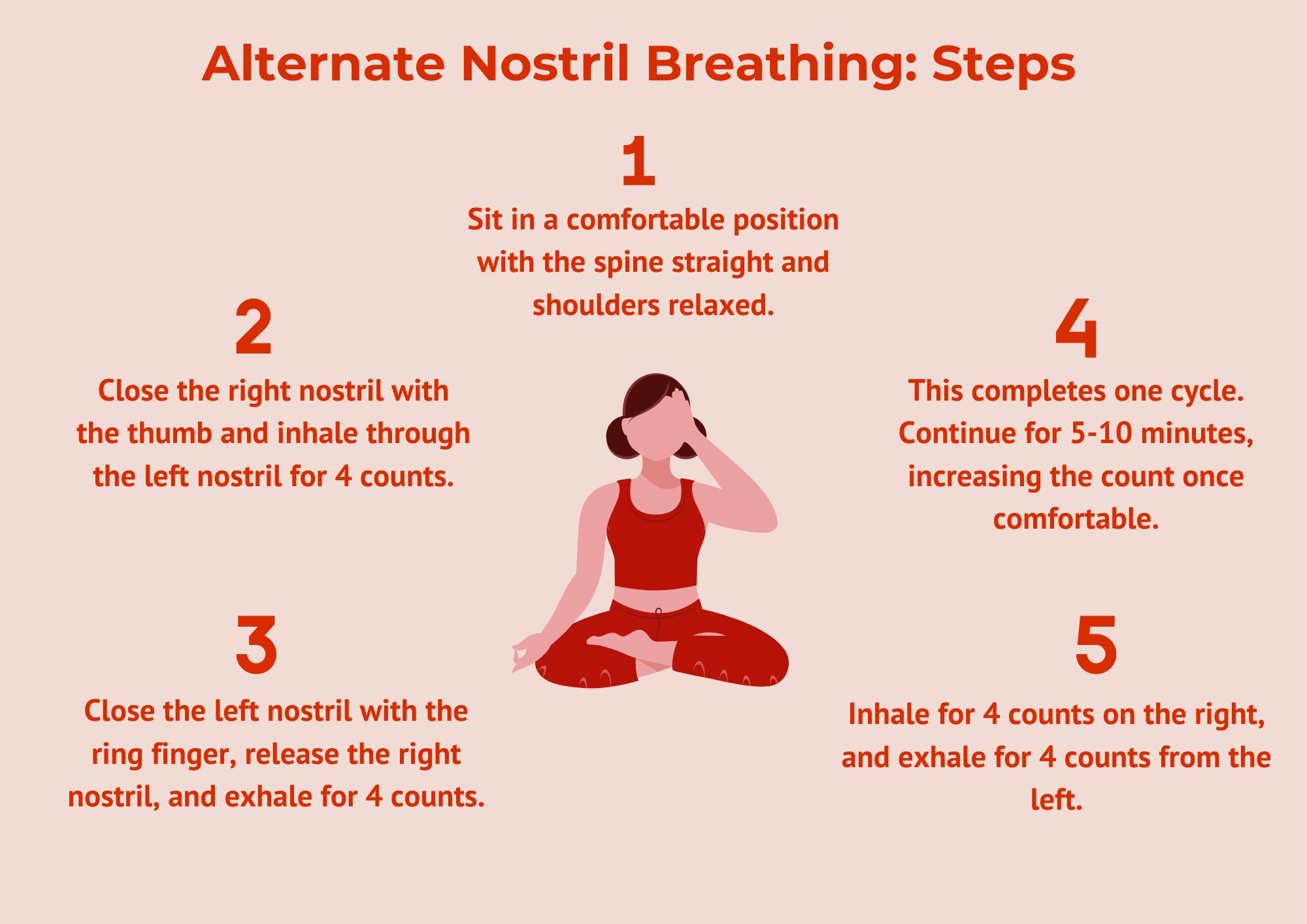
Alternate Nostril Breathing
- Close one nostril.
- Inhale through the other.
- Switch and exhale.
- Continue alternating.
This balances mental and emotional energy.
Spiritual Benefit
Breathwork:
- Regulates the nervous system
- Reduces anxiety
- Clears mental fog
- Creates internal space
Awakening doesn’t happen in chaos. It happens in stillness.
Breath creates that stillness.
4. Mantra Meditation for Spiritual Awakening

Mantra meditation uses repetition to anchor awareness.
The mind loves rhythm. It loves repetition. A mantra gives it something steady to hold onto.
How to Practice
Choose a simple word or phrase:
- “Om”
- “Peace”
- “I am awareness.”
Sit quietly and repeat the mantra silently with each breath.
If your mind wanders, return to the mantra.
That’s it.
Why It Works
Sound vibration stabilises mental fluctuations.
Over time:
- Thoughts slow down.
- Internal noise reduces.
- Awareness feels steady.
The mantra becomes like a tuning fork — aligning your attention with stillness.
Eventually, you may notice the mantra fading away… and only awareness remaining.
That’s a powerful moment in spiritual practice.
5. Visualization Meditation for Spiritual Awakening

Not everyone connects easily with silent meditation. Some minds are more visual and imaginative. Visualisation uses that natural strength instead of fighting it.
Simple Practice
- Close your eyes.
- Imagine a warm white or golden light in your heart centre.
- With each breath, see it expanding.
- Let it fill your chest.
- Let it move through your entire body.
Imagine it dissolving tension, fear, and heaviness.
Spiritual Benefits
Visualisation can:
- Release stored emotional tension
- Strengthen self-trust
- Enhance intuition
- Increase feelings of safety
Emotionally, it can feel nurturing — like wrapping yourself in warmth from the inside.
For people who struggle with “empty mind” meditation, this approach feels accessible and empowering.
6. Silent Awareness Meditation for Spiritual Awakening

This practice is simple — but not easy.
Popularised in modern teachings by Eckhart Tolle, silent awareness meditation emphasises pure presence without mental commentary.
How to Practice
- Sit quietly.
- Don’t focus on the breath.
- Don’t repeat a mantra.
- Don’t visualise anything.
- Simply be aware of being aware.
When thoughts arise, let them pass like clouds drifting through the sky.
Don’t chase them. Don’t resist them.
Just remain as the space in which they appear.
Spiritual Insight
At first, it may feel boring. Or difficult.
Then something subtle emerges.
You begin sensing a stillness beneath thought.
A quiet background presence that doesn’t change — even when emotions shift.
Many traditions describe this as:
- Pure consciousness
- The witness
- The true self
Experiencing this directly — even briefly — can dissolve deep identification with the ego.
It’s not dramatic. It’s deeply peaceful.
And profoundly transformative.
How to Choose the Right Meditation Technique
If you’re just starting:
- Feel anxious or restless? → Try breathwork.
- Feel emotionally heavy? → Try Loving-Kindness.
- Overthinking constantly? → Try Mantra.
- Naturally reflective? → Try mindfulness.
- Imaginative and intuitive? → Try visualisation.
- Ready for deeper stillness? → Try Silent Awareness.
You don’t need to force yourself into one method forever. Spiritual growth is not rigid. It’s responsive.
Some days you need grounding.
Some days you need compassion.
Some days you need silence.
Listen to yourself.
What Spiritual Awakening Really Feels Like
Many people expect fireworks.
But more often, awakening feels like:
- Less reactivity
- More patience
- A deeper sense of presence
- Reduced fear of uncertainty
- Increased compassion
It’s subtle but powerful.
You start living instead of just thinking about living.
You notice beauty more easily.
You react less automatically.
You feel more connected — to yourself and others.
And perhaps most importantly:
You feel at home within your own awareness.
Final Thoughts
Meditation is not about becoming someone new.
It’s about uncovering who you already are beneath noise, fear, and conditioning.
Whether you begin with mindfulness, loving-kindness, breathwork, mantra, visualisation, or silent awareness — the path leads inward.
Start small.
Five minutes a day is enough.
Consistency matters more than intensity.
Spiritual awakening isn’t a race.
It’s a remembering.
And meditation is the doorway.